
Happy Halloween!
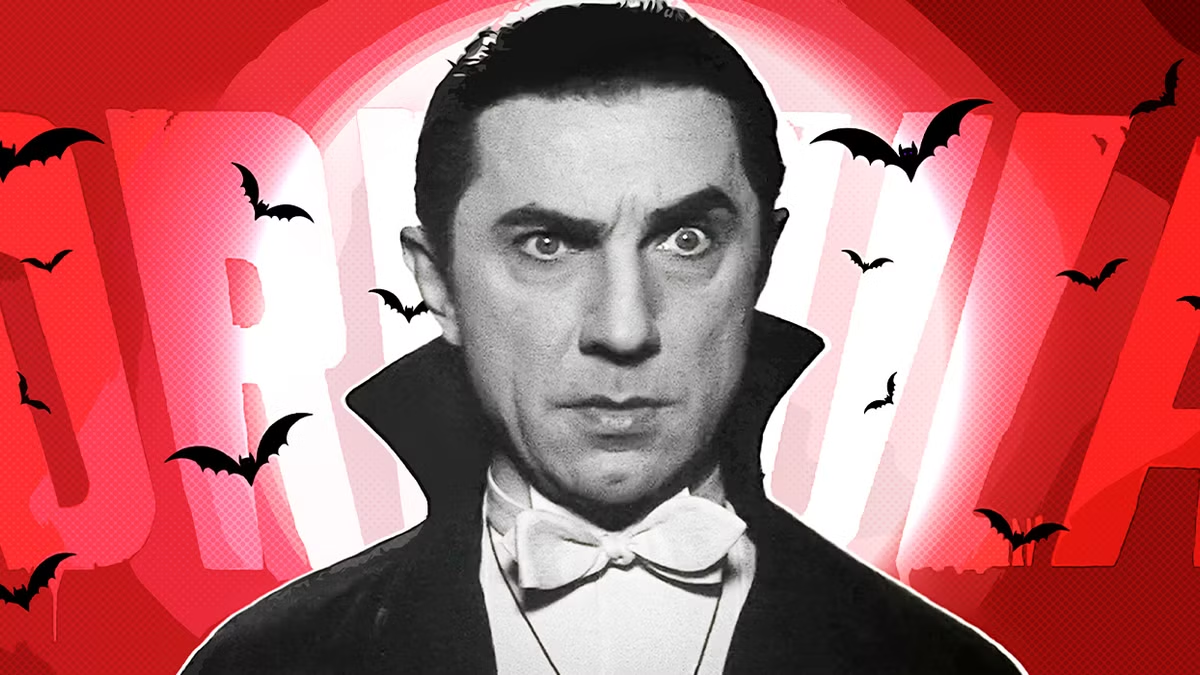
Last year at this time we constructed an acrostic with a quote about witches. This year, we have chosen to feature vampires, a centuries-old literary staple made most famous by Bram Stoker when he published Dracula in 1897. His novel and the broader vampire genre have also sparked an impressive subgenre of “vampire analysis” in the field of literary criticism, including Christopher Herbert’s essay from which we drew the quotation found in this week’s puzzle.
All of which raises the intriguing question of why so many people are drawn to the subject of vampires. We’d be curious for your opinions on that score. Francis Ford Coppola apparently thought the answer has everything to do with repressed sexual desire; check out his 1992 film Bram Stoker’s Dracula and see if you agree.
We had little difficulty finding words and phrases on the vampire theme to fit into this acrostic. Although many might be better known, we also included a mention of Lamia (Answer R.), a creature who is not a vampire, but rather a monster from Greek mythology who, like vampires, appears at night. “Lamia” is also a narrative poem by John Keats on the subject of seduction and enchantment.
For those of you not familiar with the reference in Clue K. to “Moon over Bourbon Street,” the singer-songwriter Sting composed this noir ballad after reading the novel Interview with the Vampire, published in 1976 by Anne Rice (Answer J.). The song, like the novel, centers on someone who became a vampire accidentally and is condemned to kill others in order to keep living, albeit with his conscience intact. Branford Marsalis’s soprano saxophone supplies much of that eerie, haunting quality one hears in the song: